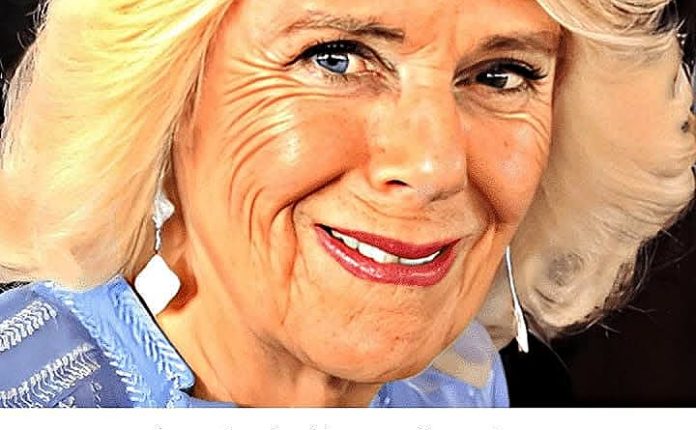
The challenges extend beyond medical care. Emma is also raising their two daughters, balancing their need for stability with the demands of her husband’s illness. Finding support means considering the well-being of the entire family—not because Bruce matters any less, but because everyone needs care during a chapter like this.
Bruce’s loved ones remain an important part of his life. Emma, Demi Moore, his daughters and the wider family continue to represent something no professional care arrangement can replace: shared history, affection and familiarity.
At the heart of their story is a message many caregivers need to hear. Asking for help does not diminish love. Sometimes, it is how love becomes sustainable.
PART 2 — A difficult decision, a different way of caring
When love alone cannot meet every need
There are decisions families never imagine making until illness changes the life they know.
For a spouse, recognizing that a partner needs more support can be especially painful. The person who once shared everyday responsibilities now requires help with them. Familiar routines become more complicated, and the household must adapt to needs that may continue to change.
For Emma, navigating Bruce’s illness also means navigating a different understanding of her role. Being his wife and supporting his care are deeply connected, but they are not exactly the same responsibility. Professional help can address needs that affection and determination, however strong, cannot meet alone.
That distinction can be difficult to accept.
Many caregivers feel that they should be able to manage everything themselves. They may see exhaustion as something to push through and assistance as something to postpone. Yet there is no measure of devotion in how long someone can continue without rest.
A person does not become less loving because they need support. Nor does a family stop caring when trained professionals become involved.
Sometimes the responsibility is not to do every task personally. It is to make sure the person receives the right care, from the right people, in the safest and most compassionate way possible.
Caring for Bruce while caring for their children
Emma’s responsibilities do not end with Bruce’s medical needs. Their two daughters are also growing up within a family changed by illness.
Children need reassurance, routines and opportunities to experience ordinary life. They need room to ask questions, express feelings and enjoy moments that are not entirely shaped by uncertainty.
Supporting those needs does not mean turning away from their father. It means recognizing that illness affects every member of a household differently.
For a parent, the challenge can be finding space for both realities: a husband who needs increasingly specialized support and children who still need their mother’s attention and presence.
Professional care can become part of the structure that makes that possible. It does not remove the emotional weight of the situation, but it can help distribute responsibilities that would otherwise fall heavily on one person.
The goal is not to choose between family members. It is to create a circle of support broad enough to hold them all.
Family remains family
Bruce’s adult daughters also have their own relationship with this changing chapter.
To the public, he is the actor behind some of Hollywood’s most recognizable films. To his children, he is their father—a person connected to years of private experiences that no movie role could capture.
A diagnosis does not erase that relationship. But it may change how it is expressed.
When conversation becomes more difficult, spending time together can take a different form. Familiar music, a gentle touch or simply sitting nearby may become part of how loved ones connect.
Those moments do not need to resemble the past exactly to matter in the present.
Nor should they be treated as tests of whether someone remembers enough or responds in the expected way. Presence can have value without a perfect conversation or an easily understood reaction.
Being there is not about asking Bruce to become the person an audience remembers. It is about meeting him with patience as the person he is now.
A shared history that still matters
Demi Moore remains part of the wider family story, too.
She and Bruce share three daughters and a history that continues to connect them through parenthood. Their relationship is a reminder that family bonds can endure beyond the form they originally took.
During a serious illness, those connections can become especially important. There may be different households, different responsibilities and different experiences of grief, but there can still be a shared commitment to the person at the center.
Support does not have to come from one individual carrying everything. It can come from a network of people, each contributing in ways that are appropriate and possible.
What matters is not presenting a perfect picture of unity for the public. It is making room for practical cooperation, affection and respect within the family itself.
Grieving change while loving the person who remains
Dementia can bring a form of grief that is difficult to explain.
The person is still present, yet parts of the relationship may feel different. A familiar exchange may no longer happen in the same way. Plans for the future may need to change. Ordinary reminders of the past can carry unexpected emotional weight.
That grief can coexist with love, gratitude and moments of happiness.
A caregiver may appreciate time with a loved one while also missing aspects of their earlier life together. Neither feeling cancels the other.
There is no requirement to choose between acknowledging loss and recognizing what remains. Both can be true.
For families, making room for that complexity can be more compassionate than insisting on constant optimism. They do not have to describe every day as beautiful to prove that they care. They are allowed to find the experience painful, uncertain and exhausting.
They are also allowed to laugh, enjoy a visit or feel grateful for a peaceful afternoon.
Bruce is more than his diagnosis
Frontotemporal dementia is part of Bruce’s life, but it is not the entirety of his identity.
He is a husband, father, grandfather and friend. He is also someone whose work became part of countless people’s lives, whose performances entertained audiences across generations.
Within his family, however, his importance is more personal than any career achievement.
He does not need to perform, reassure the public or offer a recognizable version of himself to deserve affection. His dignity is not dependent on what he can say, remember or accomplish.
That is an essential distinction in any story about illness.
A person’s worth does not diminish when their abilities change. Their need for privacy, patience and respect remains.
Protecting Bruce means remembering that the human being matters more than the headline.
Support changes the work—not the love
Bringing professional help into a family’s life can change how time together is spent.
When trained caregivers take responsibility for particular needs, relatives may have more opportunity to focus on their relationship with the person rather than managing every practical task themselves.
That does not happen automatically, and it does not eliminate grief. But it can create breathing room.
A spouse can remain a spouse. Children can spend time with their parent without every interaction being dominated by the pressure of care.
Professional support and family presence are not opposites. They serve different purposes and can work alongside each other.
One provides specialized assistance. The other brings the familiarity and affection of relationships built over a lifetime.
Neither has to replace the other.
FINAL PART — The love that remains
Connection does not always require words
It would be easy to imagine one dramatic moment that explains everything—a perfect conversation, an unmistakable response or a scene that brings the family complete peace.
Real life rarely offers such neat conclusions.
Connection may instead exist in quieter, less predictable ways. A familiar voice. A song played nearby. A visit without expectations. Time spent together even when there is little to say.
These moments should not be turned into invented accounts of the family’s private life. Their meaning does not depend on an audience witnessing them.
What matters is the principle behind them: someone does not have to communicate as they once did to remain worthy of companionship.
Love can adapt to a different pace. It can become less focused on getting a response and more focused on offering comfort.
Strength includes accepting help
Caregiving is often described through the language of strength. Yet strength does not have to mean enduring every responsibility alone.
It can mean recognizing a limit before exhaustion becomes overwhelming. It can mean asking a professional for guidance or allowing someone else to take over a task.
It can also mean admitting that a situation is painful without apologizing for that pain.
Caregivers may feel sadness, frustration, fear or loneliness alongside devotion. Those feelings do not make them selfish. They make them human.
No one should have to prove love through the disappearance of their own needs.
Rest, emotional support and practical assistance are not rewards to be earned after everything else has been done. They are part of what helps a person continue caring over time.
Making room for ordinary life
Serious illness can make a family feel as though every day must revolve around medical decisions.
Appointments, routines and changing needs may demand substantial attention. Yet family life also includes children growing, relationships developing and small experiences that deserve space.
There can still be room for a shared celebration, a familiar activity or a moment of humor.
Allowing those experiences does not deny the seriousness of the illness. It acknowledges that the family is still living.
For Emma and the people close to Bruce, the challenge is not to recreate every detail of the past. It is to find ways of remaining connected within the present.
That may require flexibility, patience and support. It may also mean letting go of the expectation that every visit must be memorable or every interaction must offer reassurance.
Sometimes being present is enough.
A story that belongs to the family
Public interest in Bruce’s health is understandable. His work has made him familiar to millions of people, and many feel genuine affection for him.
But affection from an audience does not create a right to every private detail.
The family should not have to document difficult moments to demonstrate that Bruce is loved. They should not have to explain every care decision in order for it to be treated with respect.
Some experiences belong only to them.
That privacy is not a barrier to compassion. It is part of compassion.
A responsible view of their situation recognizes that the most important moments may never become photographs, interviews or updates. Their significance does not become smaller because the public cannot see them.
What other caregivers can take from this story
The wider message extends beyond celebrity.
Many families face the painful task of adjusting care when someone’s needs change. They may struggle with guilt, uncertainty or the fear that accepting help will be misunderstood.
There is no single arrangement that is right for everyone. Decisions depend on medical needs, safety, available resources and the circumstances of the household.
What should not determine those decisions is the belief that love requires one person to do everything.
Professional care can be an expression of responsibility. Sharing the work can protect both the person receiving care and those who love them.
Asking for assistance does not mean the relationship has ended. It can help preserve the time, attention and energy needed to remain meaningfully involved.
The love that never depended on fame
Bruce Willis spent decades portraying people confronting danger, uncertainty and seemingly impossible situations.
His family’s experience, however, is not a film. It does not need a dramatic ending, a heroic speech or a promise that everything will return to the way it was.
It calls for something quieter: appropriate care, patience, privacy and people willing to keep showing up.
His legacy includes the work that audiences know. But the relationships within his family exist beyond that public legacy.
They are not measured in awards, box-office figures or recognizable performances. They are built from years of knowing one another.
Illness can change how those relationships are lived. It does not make them meaningless.
For Emma and Bruce’s loved ones, moving forward is not about pretending that nothing has changed. It is about responding to change without letting dignity or affection fall away.
There may be no perfect way to navigate the road ahead. There can still be a compassionate one.
And at the center of it is a truth that needs no dramatic scene to make it powerful:
Needing more care does not mean deserving less love.
THE END.