The CDC reported a significant rise in clusters of infections just two months into the 2024–25 norovirus season.
Where Did the Latest Surge Begin?
Norovirus activity increased sharply across the United States during the opening months of the 2024–25 season. According to figures available in late December 2024, the number of suspected or confirmed outbreaks reported to the Centers for Disease Control and Prevention rose from 69 in the final week of November to 91 in the first week of December. That was considerably higher than the numbers recorded during the same period in several earlier seasons.
The increase did not begin with one single outbreak or in one clearly identified location. Instead, health departments reported numerous clusters in different communities and institutions. Minnesota, for example, recorded about twice the number of outbreaks normally expected during December. Cases were also reported in nursing homes, schools, restaurants, healthcare facilities and on cruise ships.
An outbreak is not the same as an individual case. Public-health authorities generally define a norovirus outbreak as two or more similar illnesses connected to a common source or setting. Therefore, 91 outbreaks could represent hundreds or potentially thousands of patients. The true number of infections is also likely to be higher because many people recover at home without being tested or reporting their illness.
When Is Norovirus Season?
Norovirus can circulate throughout the year, but infections are most common in the United States between November and April. This period is often called “norovirus season,” while the disease itself is sometimes known as the “winter vomiting bug.” Outbreaks usually increase during colder months, when people spend more time together indoors.
Winter also includes major holidays, family gatherings and increased travel. People share meals, stay in hotels, visit relatives and gather in crowded spaces. Schools and childcare centers are operating, while hospitals and long-term care facilities may have more visitors. These conditions give a highly contagious virus many opportunities to move from one person to another.
The early rise during the 2024–25 season attracted attention because the numbers were already high only a short time after the season began. However, an early increase does not necessarily mean the entire season will remain unusually severe. Health officials continue to study weekly outbreak reports, laboratory results and local trends to determine whether activity is rising, stabilizing or declining.
What Is Norovirus?

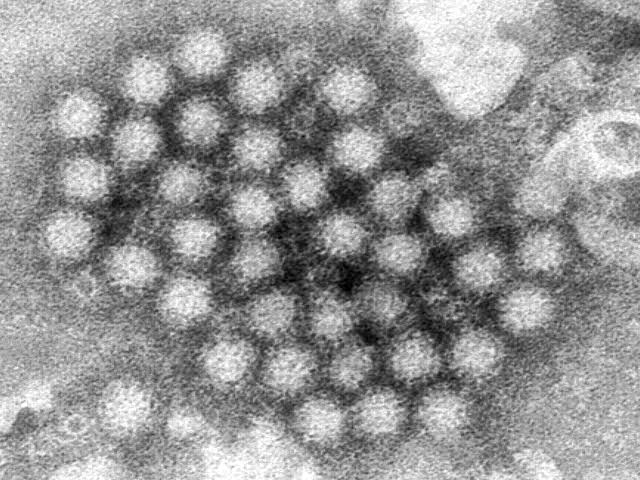
Norovirus is a group of highly contagious viruses that cause acute gastroenteritis, an inflammation of the stomach and intestines. It is the leading cause of vomiting and diarrhea in the United States and is also the country’s leading cause of foodborne illness.
Although people often call it the “stomach flu,” norovirus is not related to influenza. Influenza is a respiratory infection that commonly causes coughing, sore throat, fever and body aches. Norovirus mainly affects the digestive system, causing sudden vomiting, diarrhea, nausea and stomach pain.
People of every age can become infected. A person can also catch norovirus more than once because there are many different types of the virus. Infection with one type does not necessarily provide protection against another, and any immunity that develops may not last for a long time.
Why Is the Virus Spreading So Quickly?
Norovirus spreads easily because only a very small amount of the virus may be needed to cause an infection. An ill person can release an enormous number of viral particles through vomit and feces. Those particles can then contaminate hands, food, water, bathroom fixtures, door handles, kitchen counters, clothing and other frequently touched objects.
The virus is also difficult to contain because it can survive on surfaces for extended periods. A person may become infected by touching a contaminated object and then placing unwashed fingers near the mouth. Ordinary cleaning may remove visible dirt without fully eliminating the virus.
People can spread norovirus before realizing they are sick. They are generally most contagious while experiencing symptoms and during the first few days after recovering. However, the virus may remain in a person’s stool for two weeks or longer after the individual feels better, making careful hygiene essential even after symptoms disappear.
Did a New Strain Cause the Increase?
Scientists were closely monitoring a norovirus strain known as GII.17 during the 2024–25 season. For many years, variants from another group—particularly one known as GII.4 Sydney—were responsible for a large share of outbreaks. GII.17 later became more prominent in US surveillance data.
When a different strain begins circulating widely, more people may be vulnerable because they have less existing immunity to it. That can allow the virus to spread faster or earlier than expected. A change in the dominant strain does not automatically mean that the new version causes more serious symptoms. It may simply be more successful at infecting people who have not recently encountered it.
Noroviruses change over time, so health agencies use laboratory networks to identify the strains involved in outbreaks. Tracking those changes helps experts determine whether an unusual rise is connected to a new variant, changes in public behavior or normal seasonal patterns.
How Does Norovirus Spread?
Direct contact is one of the most common forms of transmission. A person can become infected while caring for someone who is sick, sharing eating utensils, touching contaminated hands or consuming food prepared by an infected individual. The virus can spread rapidly through households because family members use the same bathrooms, kitchens and living spaces.
Contaminated food and water are also important sources. Food workers can unknowingly transfer norovirus to ready-to-eat meals if they do not wash their hands correctly after using the restroom. Fresh produce may become contaminated during growing, processing or preparation. Drinking water can also carry the virus when sanitation systems fail or water comes into contact with sewage.
Vomiting presents another risk. Norovirus is not airborne in the same way as influenza or COVID-19, but forceful vomiting can release tiny virus-containing droplets. Those droplets can land on surrounding surfaces, food or another person. This is why the entire nearby area—not only the visibly dirty section—must be cleaned and disinfected after someone vomits.
Why Are Oysters Sometimes Involved?

Raw and undercooked oysters have been connected to a number of norovirus outbreaks. Oysters are filter feeders, meaning they obtain food by filtering large amounts of water. If the water is contaminated with sewage or norovirus, the shellfish can collect and concentrate the virus inside their bodies.
An infected oyster may look, smell and taste completely normal. Lemon juice, hot sauce and alcohol do not make contaminated shellfish safe. Light cooking or quick steaming may also fail to heat the entire oyster sufficiently to destroy the virus.
Consumers can reduce the risk by avoiding raw shellfish and cooking oysters thoroughly. Restaurants and retailers must also follow official advisories and immediately remove products connected to contaminated harvesting areas. Nevertheless, oysters account for only a portion of norovirus outbreaks. Most infections are still associated with person-to-person spread or broader food-handling problems.
What Are the Main Symptoms?

Symptoms usually begin between 12 and 48 hours after exposure. The illness often starts suddenly, with repeated vomiting, watery diarrhea, nausea and stomach cramps. Some patients also experience a mild fever, headache, chills, fatigue or body aches.
The most intense symptoms generally last between one and three days. Many otherwise healthy adults recover without medical treatment, but the experience can be severe and exhausting. A person may vomit or have diarrhea numerous times within a short period, making it difficult to eat, drink or perform normal activities.
Norovirus symptoms can resemble those caused by other infections or food poisoning. Individual patients are not always tested because treatment is usually the same: rest, fluids and careful monitoring. Laboratory testing becomes more important when doctors and public-health officials are investigating a suspected outbreak or trying to determine whether multiple illnesses are connected.
Who Is Most at Risk?
Anyone can become seriously dehydrated, but young children, older adults and people with weakened immune systems face the greatest danger. Individuals with chronic medical conditions may also have more difficulty recovering from rapid fluid loss.
Warning signs of dehydration include a dry mouth, reduced urination, extreme thirst, weakness and dizziness when standing. Babies and young children may cry with few or no tears, produce fewer wet diapers, become unusually sleepy or show increased irritability.
Medical attention should be sought when a person cannot keep fluids down, shows signs of severe dehydration, becomes confused or unusually drowsy, develops bloody stool or experiences symptoms that continue longer than expected. Parents and caregivers should contact a healthcare professional early if they are concerned about a child, an older person or someone with an existing health condition.
How Is Norovirus Treated?
There is no specific antiviral medicine that cures norovirus. Antibiotics do not work because norovirus is caused by a virus rather than bacteria. In most cases, treatment focuses on replacing fluids and allowing the body time to recover.
Patients should take small, frequent sips of water or other suitable liquids. Drinking a large amount at once may trigger more vomiting. Oral rehydration solutions are often the best choice because they replace water as well as important salts and minerals lost through vomiting and diarrhea.
Sports drinks may help some adults with mild dehydration, but they are not always ideal for young children or severely dehydrated patients. Alcohol and caffeinated drinks should be avoided because they can worsen dehydration. Patients who cannot drink enough may need intravenous fluids at a clinic or hospital.
How Can People Protect Themselves?
Thorough handwashing is the most important protective measure. Hands should be washed with soap and running water for at least 20 seconds after using the toilet, changing a diaper, caring for someone who is sick or cleaning a contaminated area. People should also wash their hands before eating, cooking, serving food or giving medicine.
Alcohol-based hand sanitizer should not be treated as a replacement for handwashing. Sanitizer is useful against many germs, but it does not work especially well against norovirus. It may be used as an additional precaution, but soap and water remain the preferred defense.
Food should be handled carefully. Fruits and vegetables should be washed, cooking utensils and counters should be kept clean, and raw shellfish should be kept separate from ready-to-eat food. Oysters and other shellfish should be cooked thoroughly rather than served raw or lightly steamed.
What Should Sick People Do?
Anyone with vomiting or diarrhea should remain at home and avoid close contact with other people as much as possible. Sick individuals should not prepare food, handle shared meals or provide personal care to others.
The CDC recommends waiting at least 48 hours after vomiting and diarrhea have completely stopped before returning to food preparation or caring for other people. This rule is especially important for restaurant employees, healthcare workers, childcare employees and staff at schools or long-term care facilities.
People should not assume that feeling better means they are no longer contagious. Good handwashing and bathroom hygiene should continue for at least two weeks after recovery because the virus may remain in the stool.
How Should Contaminated Areas Be Cleaned?
Cleaning should begin immediately after someone vomits or has diarrhea. People handling the cleanup should wear disposable or rubber gloves, keep others away from the affected area and remove visible material with paper towels. The waste should be placed in a sealed plastic bag.
The entire surrounding area should then be disinfected with an appropriate chlorine-bleach solution or a product specifically registered as effective against norovirus. The disinfectant must remain on the surface for the amount of time stated on its label. After disinfection, the area can be cleaned again with soap and hot water.
Clothing, towels and bedding contaminated with vomit or feces should be handled without shaking them. They should be washed promptly with detergent and hot water using the longest available cycle, then machine-dried at the highest safe temperature. Hands must be washed thoroughly after the gloves are removed.
What Are Doctors and Hospitals Doing?
Doctors are primarily focused on identifying serious dehydration and protecting vulnerable patients. Because most infections resolve without specialized treatment, healthcare workers must decide which patients can safely recover at home and which need laboratory tests, intravenous fluids or hospitalization.
Hospitals and clinics also use infection-control procedures to prevent the virus from moving between patients, visitors and staff. These measures may include isolating symptomatic patients, requiring protective equipment, limiting visitors, increasing environmental cleaning and temporarily keeping sick employees away from work.
Long-term care facilities face particular challenges because residents are often older or medically fragile. A single introduction can lead to a prolonged outbreak. Facilities may respond by separating affected residents, suspending group activities, restricting communal dining and carefully monitoring staff for symptoms.
What Is the Government Doing?
Federal, state and local health agencies work together to monitor norovirus activity. State health departments report suspected and confirmed outbreaks through national surveillance systems. These reports allow the CDC to compare the current season with previous years and identify unusually high activity.
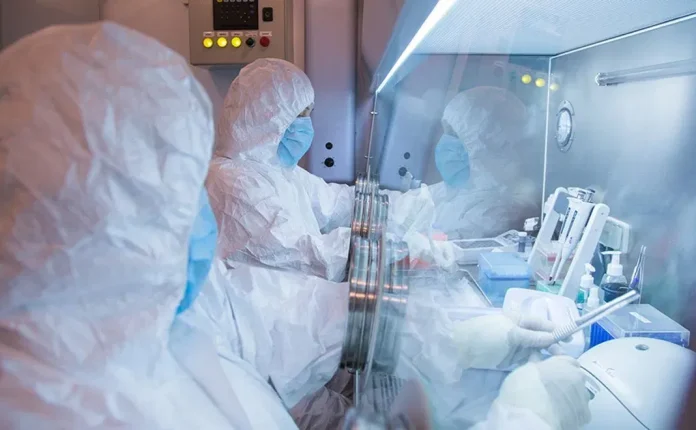
Laboratories also analyze samples from outbreaks to determine which norovirus strains are circulating. This genetic information helps experts recognize emerging variants, connect related clusters and investigate whether outbreaks in different locations may share a common source.
When contaminated food is suspected, public-health departments may work with federal food-safety agencies, restaurants, retailers and producers. Officials can issue public advisories, inspect facilities, trace products to their source and request recalls or sales restrictions when necessary. Local agencies may also provide cleaning instructions and guidance to schools, hospitals, nursing homes and food-service businesses.
Should the Public Be Alarmed?
The increase in outbreaks deserves attention, but it is not a reason for panic. Norovirus is common, and seasonal increases occur every winter. Most healthy people recover within a few days without lasting medical problems.
The concern is that the virus spreads extremely quickly and can cause serious dehydration in vulnerable patients. It can also disrupt schools, care facilities, restaurants, workplaces and cruise ships when many people become ill at the same time.
The most effective response is based on simple, consistent precautions: wash hands with soap and water, stay home while sick, avoid preparing food for others, cook shellfish thoroughly and disinfect contaminated areas correctly. These actions may appear basic, but they remain the strongest tools available for stopping norovirus from turning one illness into a much larger outbreak.