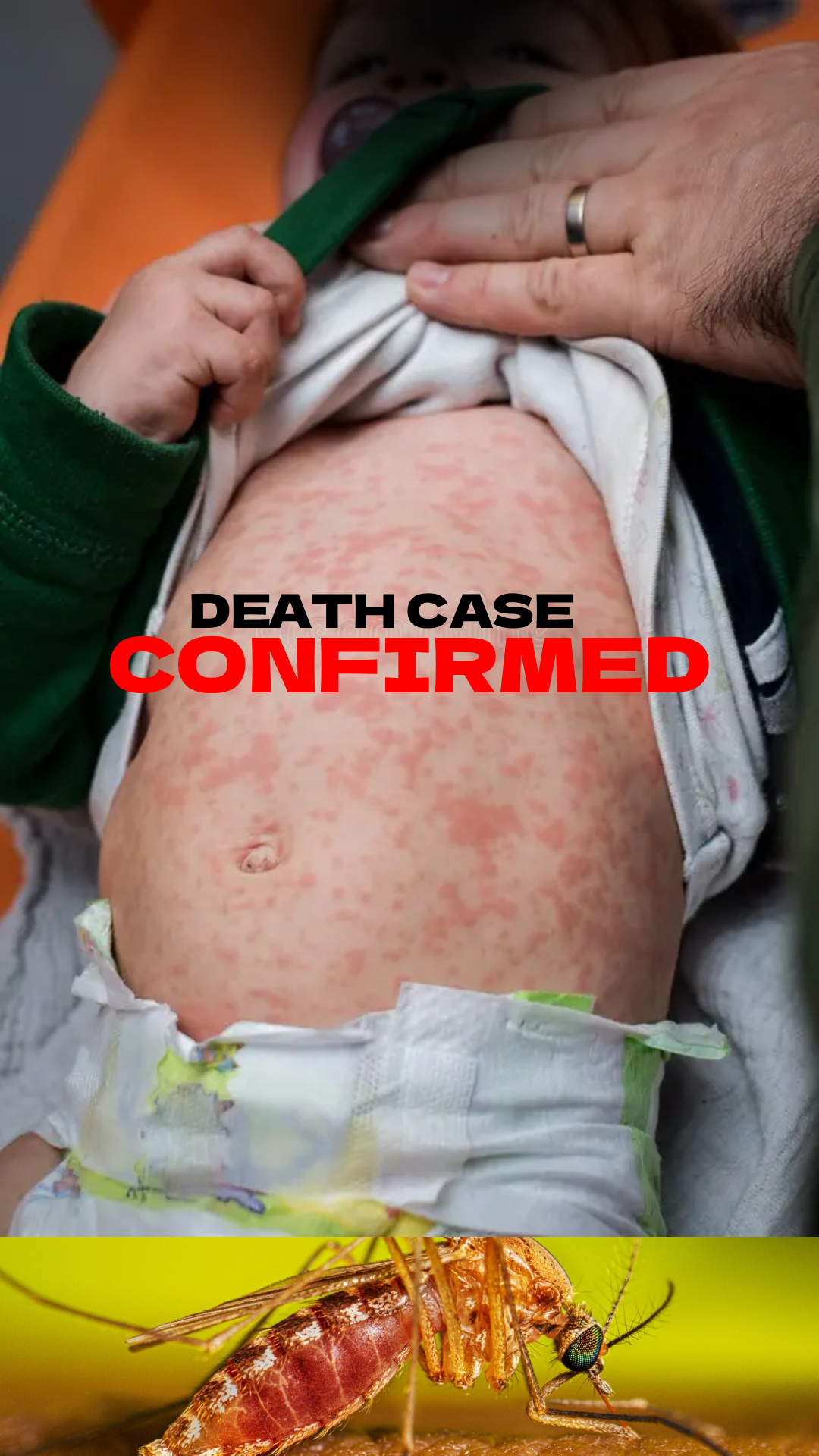
Most people infected with West Nile virus do not develop symptoms. But the illness can sometimes become severe, affect the brain or nervous system, and cause death. Fatal cases have been reported in the U.S. during the 2026 mosquito season, making prevention and awareness of warning signs important.

Key Highlights
- West Nile virus usually spreads through the bite of an infected mosquito.
- Many people infected do not feel sick; others develop a flu-like illness.
- Severe cases can cause neurological illness, long-term effects or death.
- Local health departments confirmed West Nile-related deaths in Los Angeles County and Maricopa County during the 2026 season.
- Repellent, protective clothing, screens and removing standing water can help reduce risk.
1. West Nile Virus: The Risk in Brief

West Nile virus is a mosquito-borne infection found across the contiguous United States. The risk is not the same everywhere, and a bite does not automatically mean someone will become ill. Most infected people do not develop symptoms, but severe disease is possible.
2. How the Virus Spreads
Mosquitoes can acquire the virus by feeding on infected birds, then transmit it to people through a later bite. This mosquito-to-bird cycle is the main way West Nile spreads. In rare cases, transmission has occurred through blood transfusion or organ transplantation, but those are not the usual source of infection.

3. Why Mosquito Season Matters
West Nile virus activity generally occurs during warmer months, when mosquitoes are active. In the U.S., mosquito season commonly continues from summer into fall, and diagnoses often peak in late summer or early fall. Local timing can vary with weather and other conditions.
4. Many Infections Cause No Symptoms

A person can carry the virus without realizing it because most infected people do not develop noticeable symptoms. That means the number of infections may be higher than the number of diagnosed cases. Surveillance figures also take time to collect and report.
5. Mild Illness Can Feel Like the Flu
Some people develop fever, headache, body aches, joint pain, vomiting, diarrhea or a rash. Mild illness often improves, but fatigue and weakness can last for weeks or months. Because these symptoms can have many causes, they do not by themselves confirm West Nile virus.
6. Severe Illness Can Affect the Brain
In some cases, West Nile virus affects the central nervous system. Severe symptoms can include high fever, a severe headache, neck stiffness, confusion, disorientation or muscle weakness. Serious illness may require hospitalization, and recovery can take weeks or months; some effects may persist.
7. Who Is at Higher Risk?
Anyone infected can potentially become seriously ill, but the risk increases with age and certain chronic medical conditions or a weakened immune system. People in higher-risk groups should take precautions against mosquito bites and be attentive to severe or unusual symptoms.
8. Fatal West Nile Cases Reported in 2026
Yes, deaths have been reported. On August 20, 2026, the Los Angeles County Department of Public Health confirmed a local resident died after hospitalization for severe neurological illness caused by West Nile virus. The resident lived in the San Fernando Valley; the county did not release their identity.
9. Another County Reported a Death Earlier in the Season
Maricopa County, Arizona, reported a West Nile-related death on June 16, 2026. The county said the person was an older adult with underlying health conditions. These public reports show that fatal outcomes do occur, while protecting the privacy of the people and families affected.
10. How the Death Toll Compares With Annual Risk
The CDC says more than 130 people in the U.S. die from West Nile virus in an average year, and more than 1,300 develop severe illness affecting the central nervous system. These are annual averages, not a final count for the current season.
11. When to Seek Medical Care
Seek prompt medical attention for serious symptoms such as confusion, a stiff neck, severe headache, high fever or muscle weakness—especially if the person is older or has a weakened immune system or certain chronic conditions. A healthcare professional can assess the symptoms and decide whether testing is appropriate.
12. Diagnosis and Treatment
A clinician considers symptoms and other relevant factors when evaluating possible West Nile virus. There is no specific medicine that cures the infection and no licensed human vaccine to prevent it. People with severe illness may need hospital care and supportive treatment.
13. Protect Yourself From Mosquito Bites
The CDC recommends using an EPA-registered insect repellent, wearing long, loose-fitting clothing, and using window and door screens or air conditioning to help keep mosquitoes outside. Mosquitoes that spread West Nile are often most active from dusk to dawn.
14. Reduce Mosquito Breeding Around the Home
Empty or refresh water in plant saucers, buckets, toys and other outdoor containers where it collects. Keep screens in good repair, and follow local public-health guidance for mosquito control. Removing standing water can reduce places where mosquitoes breed.
15. Keep Local Case Counts in Perspective
National surveillance reports can be preliminary and may lag behind local reporting. A count from one county does not represent the whole country, and a low reported count does not necessarily mean there is no risk. For the most relevant local information, check updates from your state or county health department.
The bottom line: West Nile virus can be fatal, but most people who become infected do not develop symptoms. Preventing bites and taking serious symptoms seriously are practical steps people can take throughout mosquito season.