
If you’re experiencing symptoms like sores, swelling, pain, and discoloration or changes in texture, you should see a doctor, as these can indicate a wide range of issues from minor infections to more serious conditions like oral cancer.
:max_bytes(150000):strip_icc()/Health-GettyImages-1442122809-2051d28fdbea4416bc1203c3835722e7.jpg)
Prompt medical evaluation is recommended for any persistent or concerning tongue symptoms, especially if you have trouble breathing, swallowing, or speaking, as these can be signs of an emergency.

-
Sores, pain, and bumps:
These can be caused by canker sores, infections, irritations from ill-fitting dentures, or other issues. While often harmless, they can sometimes be a symptom of oral cancer, which is why a doctor’s evaluation is important.
-
Swelling:
Sudden and severe swelling is a medical emergency, potentially indicating a severe allergic reaction. If this occurs along with difficulty breathing, seek immediate medical help.
-
Discoloration or texture changes:
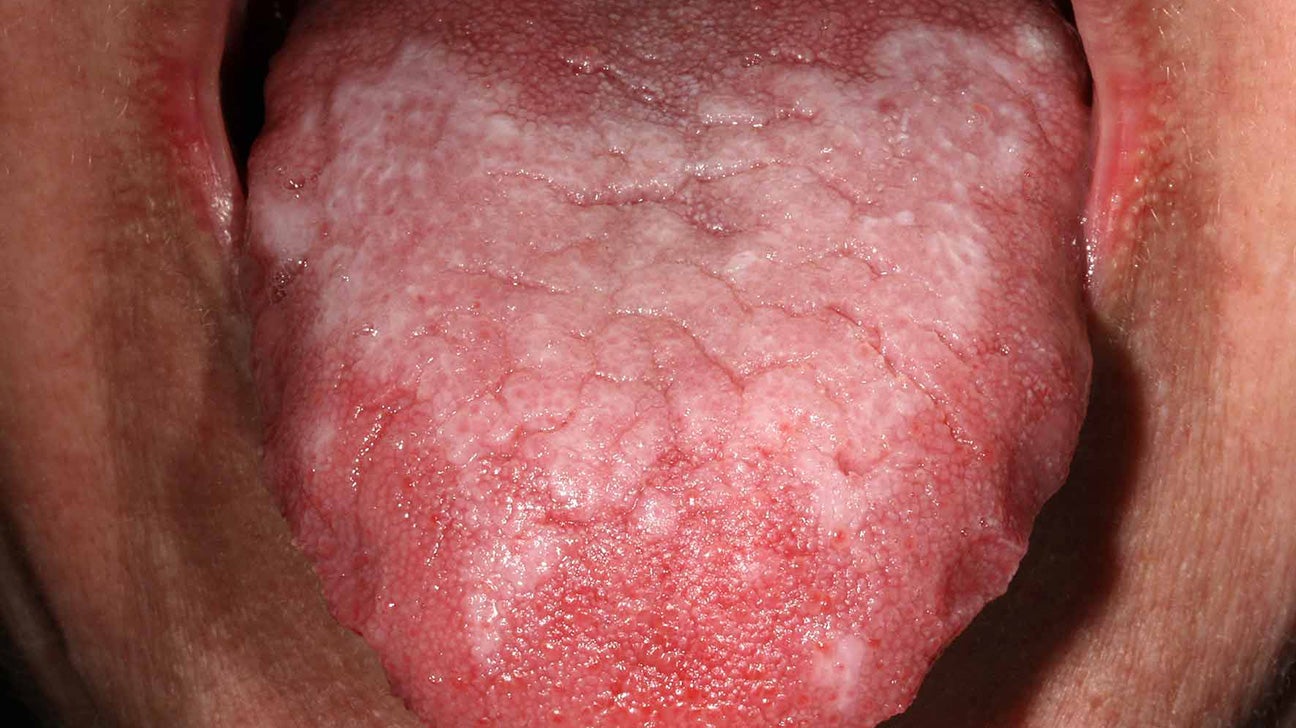
A change in color (like white, yellow, or dark red) or texture (like a smooth or “hairy” appearance) can point to various conditions, including fungal infections, vitamin deficiencies, or underlying health problems.
-
Taste changes or numbness:
A distorted taste (dysgeusia) or numbness can be a symptom of nerve issues, vitamin deficiencies, or autoimmune disorders. In rare cases, numbness combined with facial drooping or confusion can be a sign of a stroke, so seek immediate medical attention if these symptoms occur together.
What to do

-
See a doctor:
It’s best to consult a doctor or dentist for any persistent or concerning tongue symptoms.
-
Monitor for emergencies:
If you experience a sudden, severe swelling of the tongue, especially if it’s accompanied by difficulty breathing, call for emergency medical help immediately.
-
Maintain good oral hygiene:
Practicing good oral hygiene and seeing your dentist regularly can help prevent some tongue problems.
-
Address underlying issues:Treating the root cause is key. Your doctor can help identify conditions like nutrient deficiencies or infections that may be causing your symptoms.