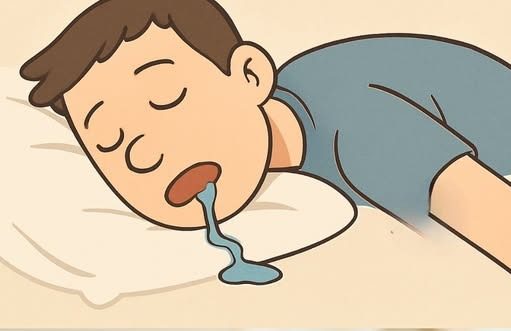

Drooling while sleeping is a common thing that happens to many people, and in most cases it is not a serious problem. It usually happens because the body becomes very relaxed during sleep, including the muscles around the mouth and face. When those muscles relax, saliva can slowly escape from the mouth, especially if a person is sleeping deeply. This is why some people wake up and notice a wet pillow or moisture around the side of the mouth.
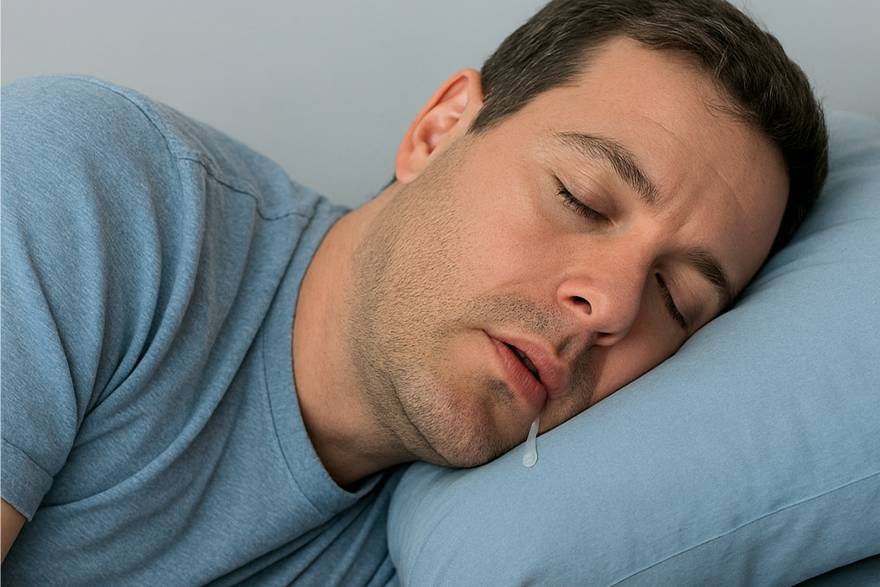
Another common reason is sleeping position. People who sleep on their side or stomach are more likely to drool because gravity makes it easier for saliva to flow out of the mouth. In contrast, people who sleep on their back may drool less often. The position of the head and neck can also affect how saliva moves during sleep. Even something as simple as turning the face slightly downward can increase the chance of drooling.
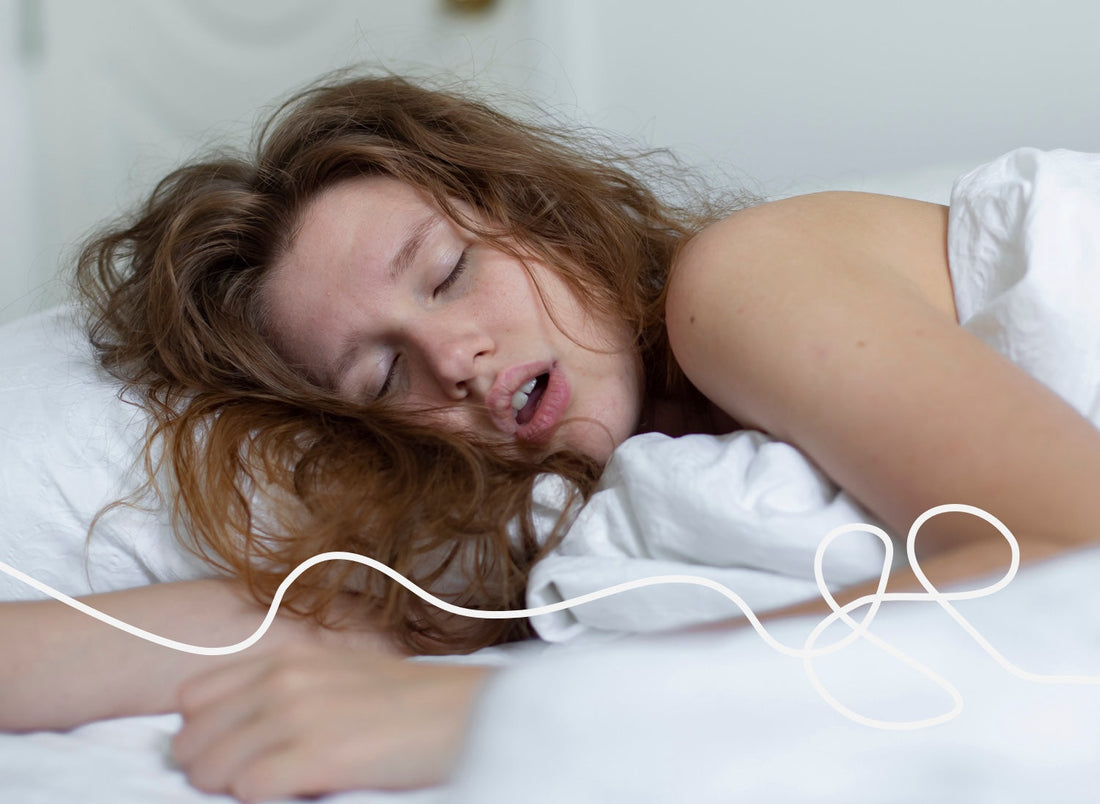
Mouth breathing is also a major cause of drooling at night. When the nose is blocked because of a cold, allergies, sinus problems, or nasal congestion, a person may breathe through the mouth while sleeping. Keeping the mouth open for long periods makes it easier for saliva to escape. This is why drooling can happen more often when someone is sick or having trouble breathing clearly through the nose. In some cases, snoring and sleep apnea may also be connected.

Sometimes drooling happens because the body produces more saliva than usual or because swallowing does not happen as often during sleep. Normally, people swallow saliva without even noticing it, but during deep sleep this process slows down. If too much saliva builds up, it may come out of the mouth. Certain foods, acid reflux, teething in children, or some medicines can also increase saliva production. This can make nighttime drooling more noticeable than usual.
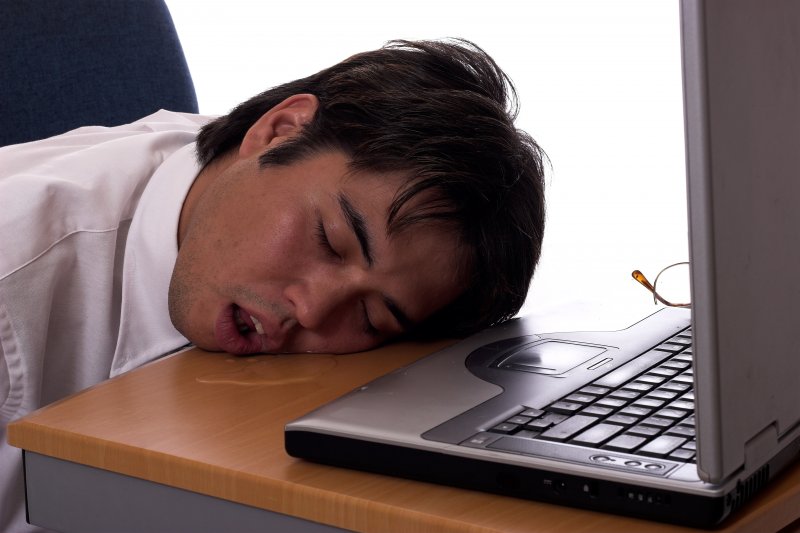
In some situations, drooling while sleeping may be linked to other health conditions. Problems involving the throat, muscles, nerves, or swallowing can sometimes make it harder to control saliva. For example, people with facial weakness, enlarged tonsils, or certain neurological conditions may drool more often. If the drooling is very frequent, suddenly worse than before, or happens together with trouble swallowing, choking, or speech changes, it is a good idea to pay closer attention.
:max_bytes(150000):strip_icc()/Health-GettyImages-957318582-912a67b1c2d04991ad37a13ff08cf9c2.jpg)
The good news is that mild drooling can often be improved with simple changes. Sleeping on the back, treating nasal congestion, using a supportive pillow, and keeping good sleep habits may help reduce it. Staying hydrated and taking care of oral health can also make a difference. Although occasional drooling is usually harmless, it should not be ignored if it becomes severe, uncomfortable, or connected to other symptoms. In that case, talking to a doctor can help find the real cause and the best solution.