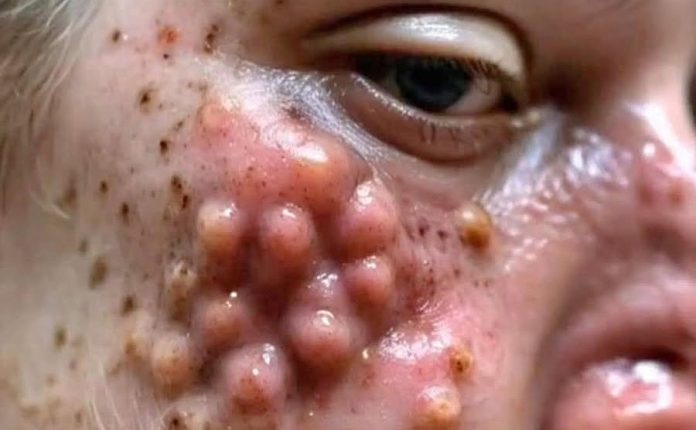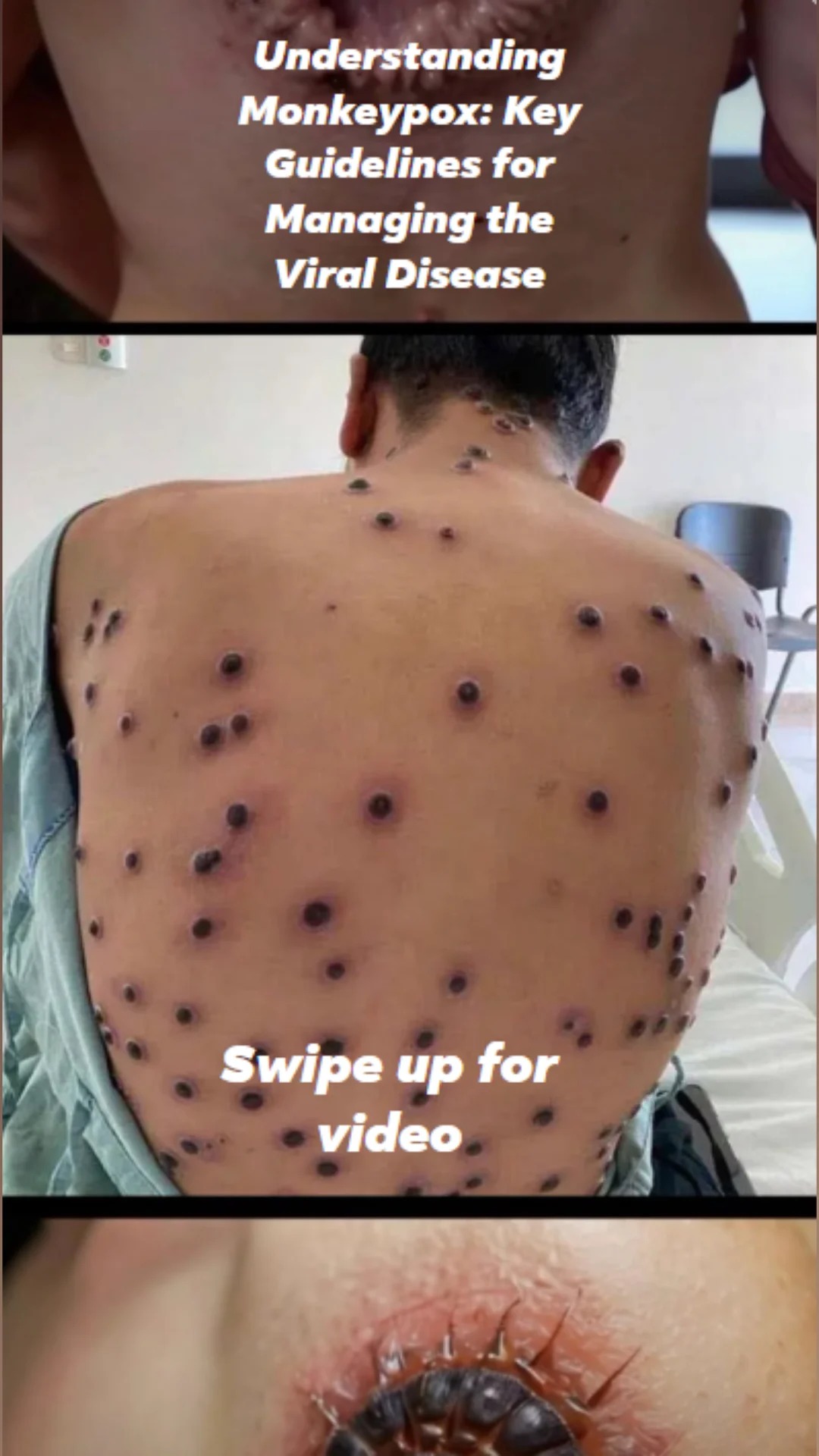
Mpox, formerly known as monkeypox, is an infectious disease caused by the monkeypox virus. It belongs to the same virus family as smallpox, but it is usually less severe. Mpox can affect anyone, and most people recover with supportive care such as rest, fluids, pain relief, and proper wound care. However, some people can become seriously ill, especially children, pregnant people, and people with weakened immune systems.
What are the symptoms of mpox?
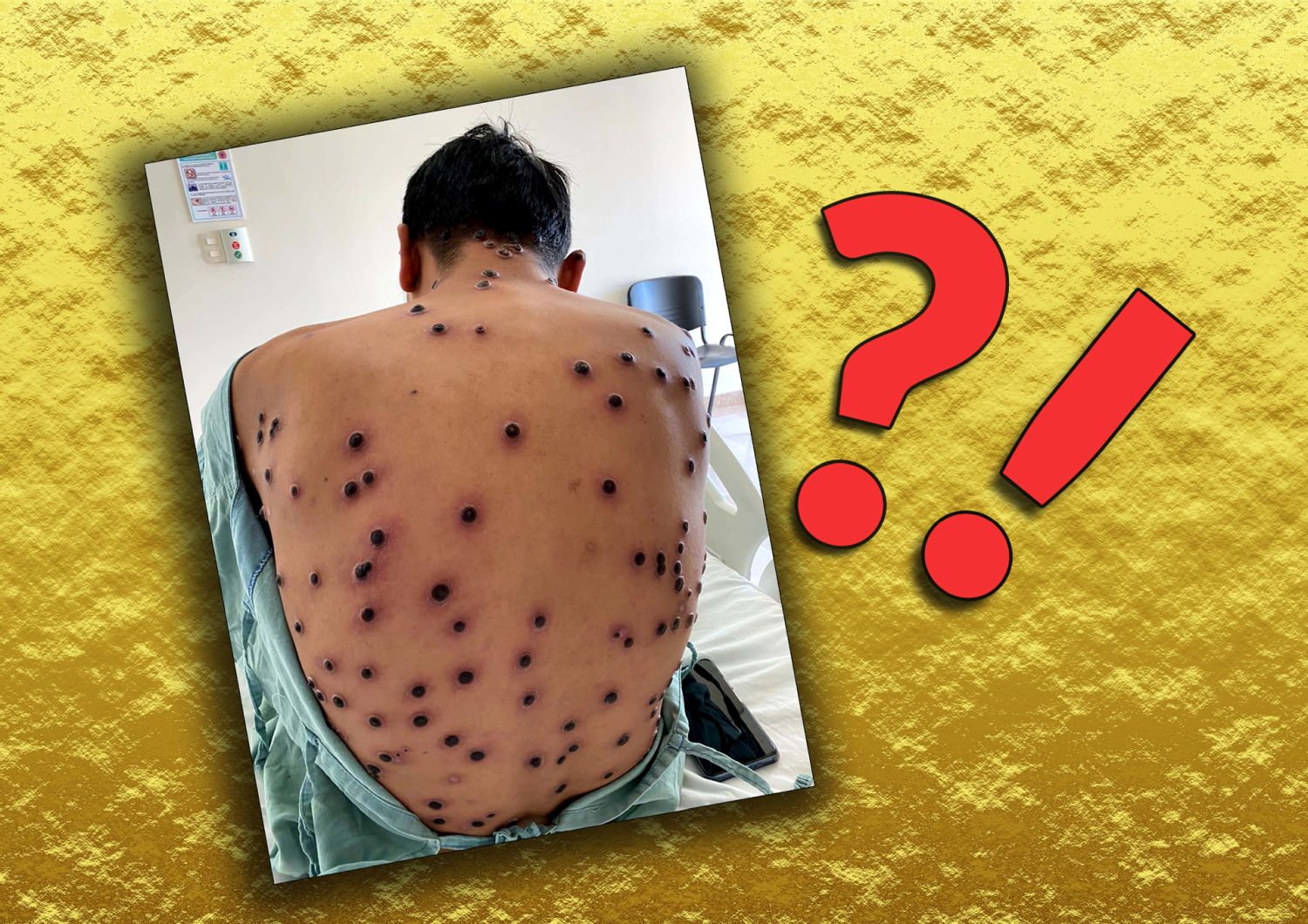
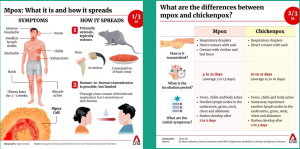
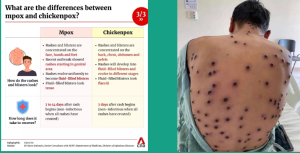
The most common sign of mpox is a rash. The rash may look like pimples, blisters, or sores and can appear on the face, hands, feet, chest, mouth, genitals, or other parts of the body. Other symptoms may include fever, chills, swollen lymph nodes, headache, muscle aches, back pain, sore throat, and tiredness. Symptoms usually begin within 21 days after exposure, and the illness can last about 2 to 4 weeks.
Why does mpox happen?
Mpox happens when a person is infected with the monkeypox virus. The virus can move from animals to humans or from one person to another. Outbreaks can grow when people have close physical contact, when infected people are not diagnosed quickly, or when communities lack awareness about symptoms and prevention.
How does mpox spread?
Mpox mainly spreads through close contact with someone who has the infection. This can include skin-to-skin contact, touching the rash or sores, intimate or sexual contact, and contact with contaminated items such as bedding, towels, or clothing. It can also spread through contact with infected animals in some areas.
How can mpox be prevented?
The best way to prevent mpox is to avoid close contact with anyone who has a new or unexplained rash, avoid sharing towels or bedding with someone who may be infected, wash hands often, and clean surfaces that may be contaminated. People at higher risk may be offered mpox vaccination depending on local health guidance and vaccine availability.
What should someone do if they think they have mpox?
A person with a new or unexplained rash should avoid close contact with others and contact a healthcare provider, especially if they were recently exposed to someone with mpox. They should not scratch the rash, should keep sores covered when possible, and should follow medical advice until they are no longer contagious. Mpox is usually contagious until the rash has healed, the scabs have fallen off, and a new layer of skin has formed.
In simple words, mpox is a viral infection that causes rash and flu-like symptoms. It spreads mostly through close contact, but it can be prevented by awareness, hygiene, avoiding direct contact with infected people, and vaccination for people who are eligible.